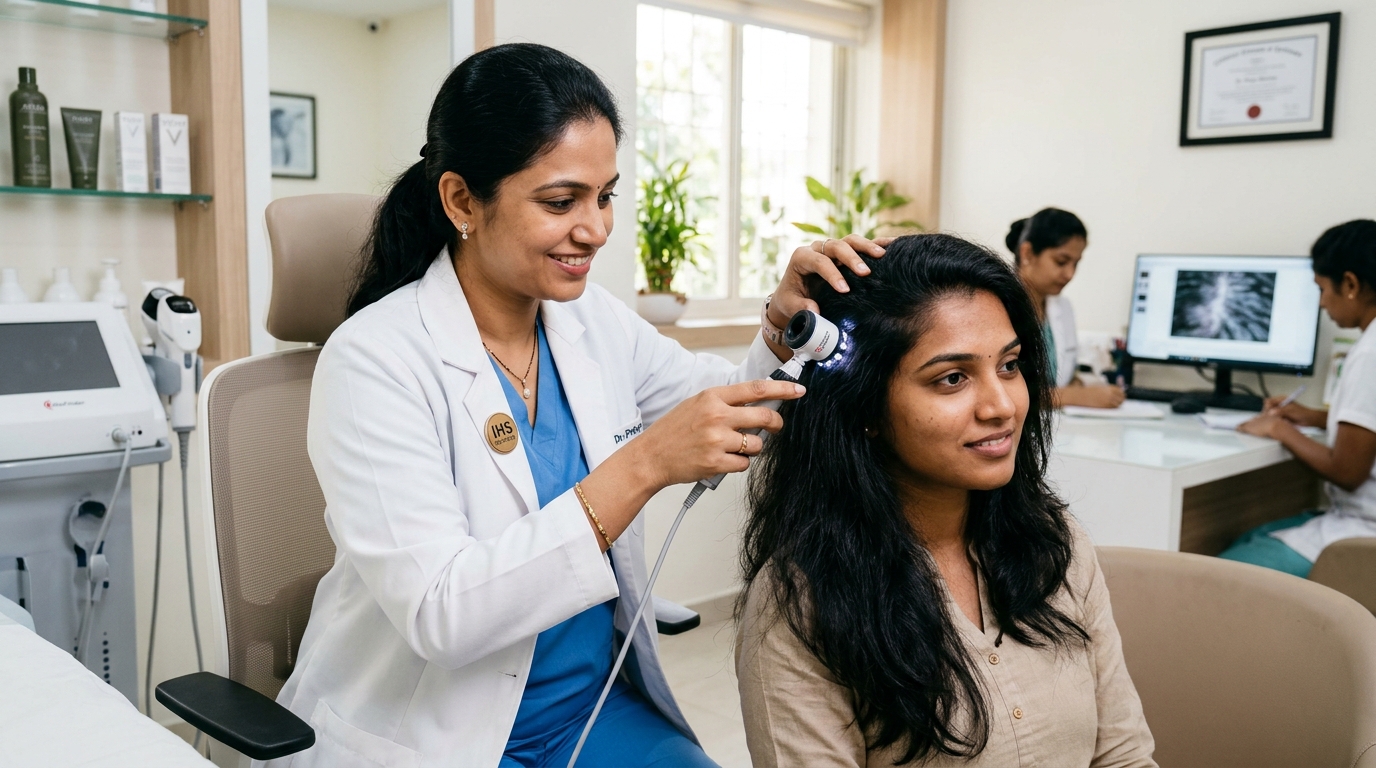
Is Hair Fixing Safe? Dermatological Facts & Scalp Health Guide
A Clinical Perspective on Non-Surgical Hair Replacement Safety
When exploring hair fixing for the first time, prospective clients often carry legitimate safety questions: "Will the glue irritate my scalp? Does wearing a hair system damage remaining hair? Can it cause skin allergies?"
In this clinical guide, our advisors examine the dermatological facts behind modern non-surgical hair replacement. You will discover why medical-grade hair fixing is 100% safe, non-toxic, and biologically inert when performed by trained professionals.
What You Will Learn from This Guide
100% Non-Invasive & Non-Surgical
Zero scalp incisions, zero needle injections, zero anesthesia, and zero risk of surgical infections or nerve damage.
FDA-Approved Hypoallergenic Adhesives
Water-based and medical-grade acrylic polymers are latex-free, non-toxic, and dermatologically tested for scalp safety.
Existing Follicles Continue Growing
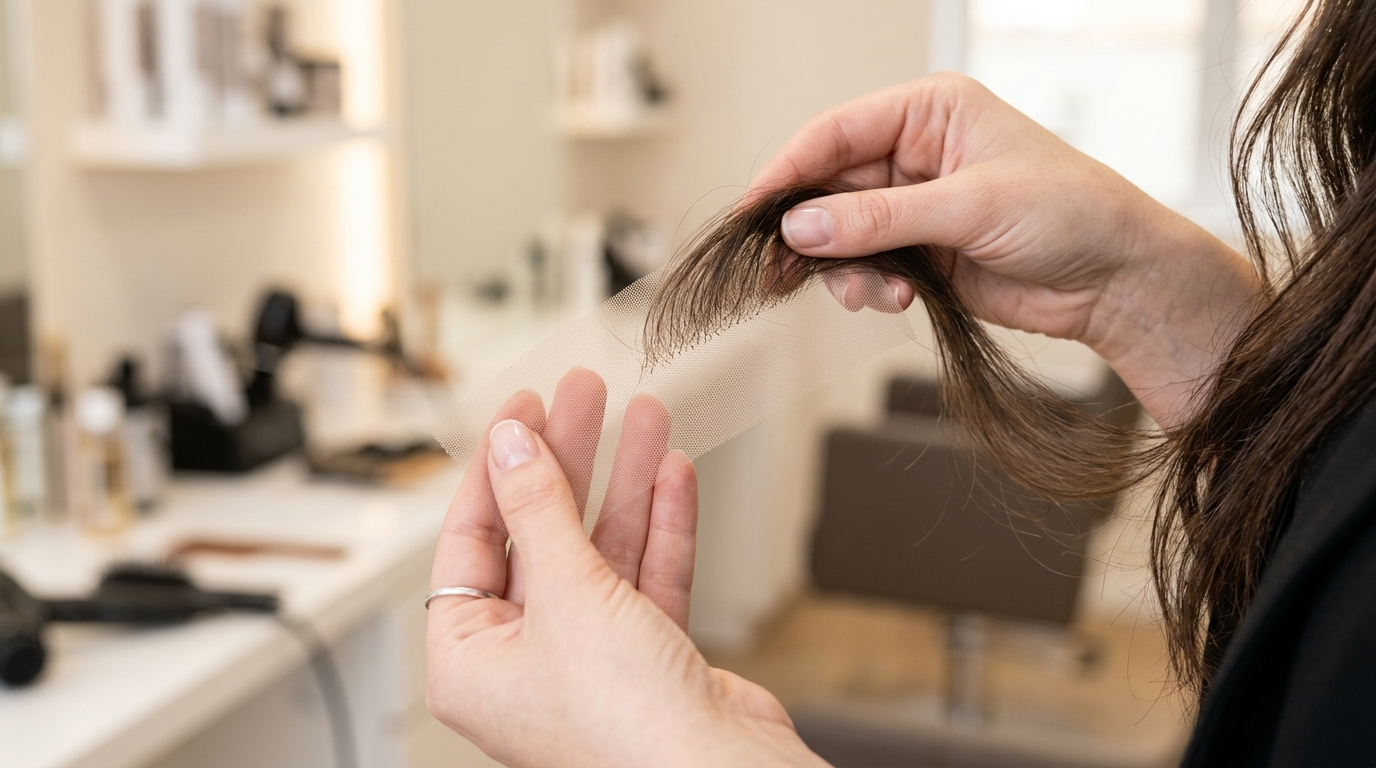
Micro-pores in Swiss lace permit natural sebum evaporation and oxygenation, allowing native hair to grow unhindered.
Complimentary Pre-Bonding Skin Patch Test
For clients with sensitive skin, we perform a 24-hour patch test before full application to guarantee complete tolerance.
Medical-Grade Adhesives: Chemistry & Scalp Compatibility
The adhesives used in reputable hair replacement studios are fundamentally different from industrial glues. Modern bonding agents—such as Ghost Bond XL, Ultra Hold, and Great White—are FDA-compliant medical adhesives formulated specifically for human skin.
They are water-based or medical acrylic polymers free from harsh solvents, toxic toluene, and natural latex. When cured, they create a flexible, hypoallergenic bond that moves with natural cranial contractions without choking dermal pores.
Does a Hair Patch Stop Remaining Hair Growth?
A widespread myth is that covering the scalp with a hair patch suffocates existing hair follicles and accelerates baldness. This is biologically incorrect.
Human hair follicles receive their oxygen and nutrients from blood capillaries deep within the subcutaneous dermal layer—not from surface air. Furthermore, hair patches are affixed only to areas of the scalp with irreversible androgenetic follicle miniaturization (Norwood bald zones). The micro-perforations in Swiss and French lace ensure continuous sebum flow, while surrounding biological hair continues its natural anagen-catagen-telogen growth cycle uninterrupted.
Comparing Safety: Hair Fixing vs Surgical Hair Transplants
Unlike invasive surgical procedures which carry risks of folliculitis, donor-area keloid scarring, temporary nerve paresthesia, and shock loss, non-surgical hair fixing has zero medical complications.
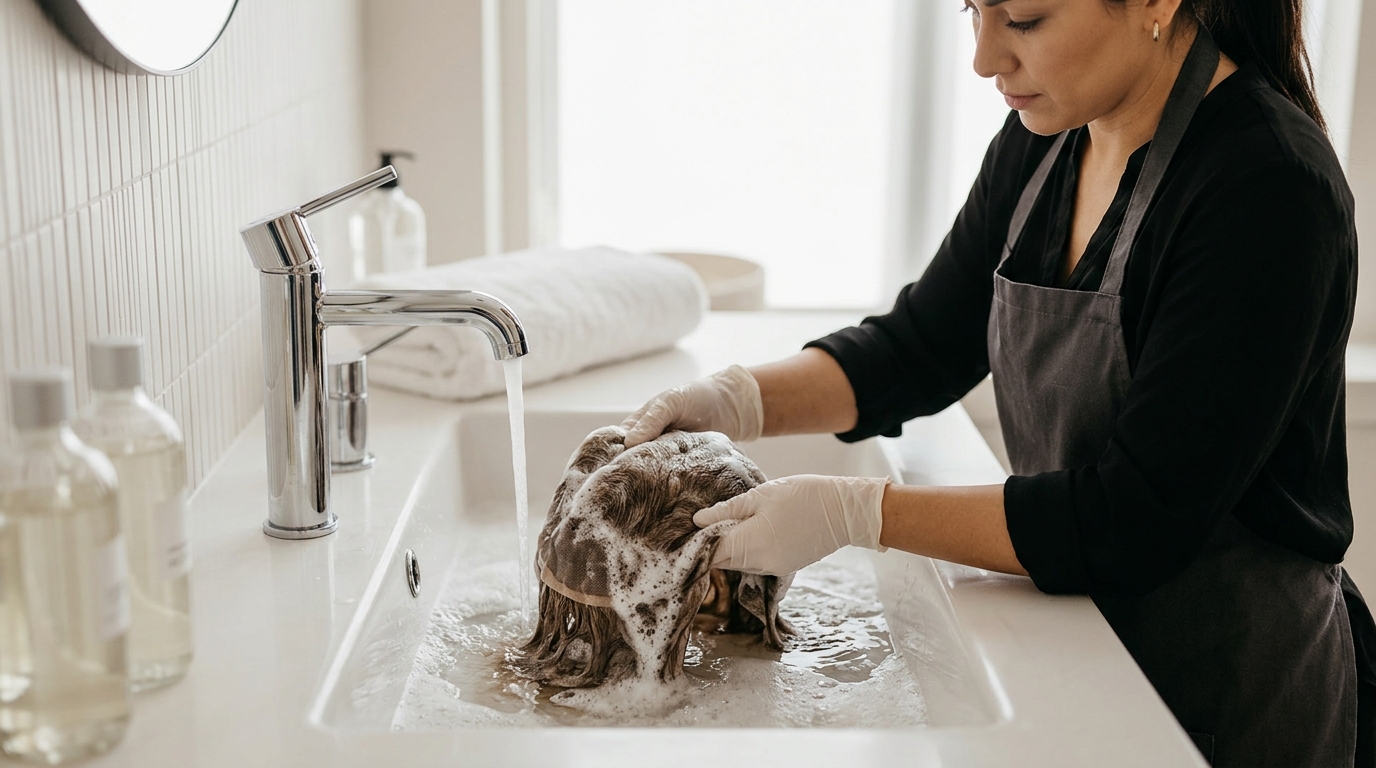
If you ever decide to discontinue wearing a hair system, the adhesive is completely dissolved with citrus-based solvent, leaving your scalp in its exact natural state with zero biological alteration.
At ozzone Hair Studio, our technicians undergo rigorous hygiene training. We use single-use sterile scalp prep wipes, medical-grade applicators, and organic citrus solvents to eliminate any risk of dermal irritation.
Explore More Hair Fixing Services & Guides:
Frequently Asked Questions
Clear, practical answers about is hair fixing safe? dermatological facts & scalp health guide from our certified specialists.
Allergic reactions are extremely rare because we exclusively use latex-free, water-based, hypoallergenic medical adhesives. For clients with a history of sensitive skin or eczema, we perform a complimentary 24-hour patch test before fitting.
No. Hair patches are attached only to the bald crown region. Because hair follicles receive nutrients from the bloodstream beneath the skin, surface bonding does not impact follicular biology or accelerate hair loss.
Yes, 100%. Surgical hair transplants carry elevated risks for diabetic individuals due to delayed wound healing. Because hair fixing is entirely non-invasive with zero incisions, it is completely safe for individuals with underlying medical conditions.
Mild tickling during the first 24 to 48 hours is a normal sensory adjustment as your scalp adapts to the new sensation. It typically subsides completely within two days as the adhesive fully settles.
We use medical-grade, citrus-based solvents (like C-22 solvent) that gently dissolve the adhesive polymers within 60 seconds. The hair system lifts off effortlessly with zero pulling, pain, or skin trauma.
Explore More Blogs
Discover additional expert guides on hair systems, maintenance, and styling.
 Hair FixingRead Article→
Hair Fixing in Thiruvananthapuram: The Complete Non-Surgical Hair Replacement Guide
Complete 2026 guide to professional hair fixing in Thiruvananthapuram. Learn how non-surgical hair systems, custom hair patches, and medical bonding deliver 100% natural, undetectable results in just 90 minutes at our Trivandrum studios.
 Hair RestorationRead Article→
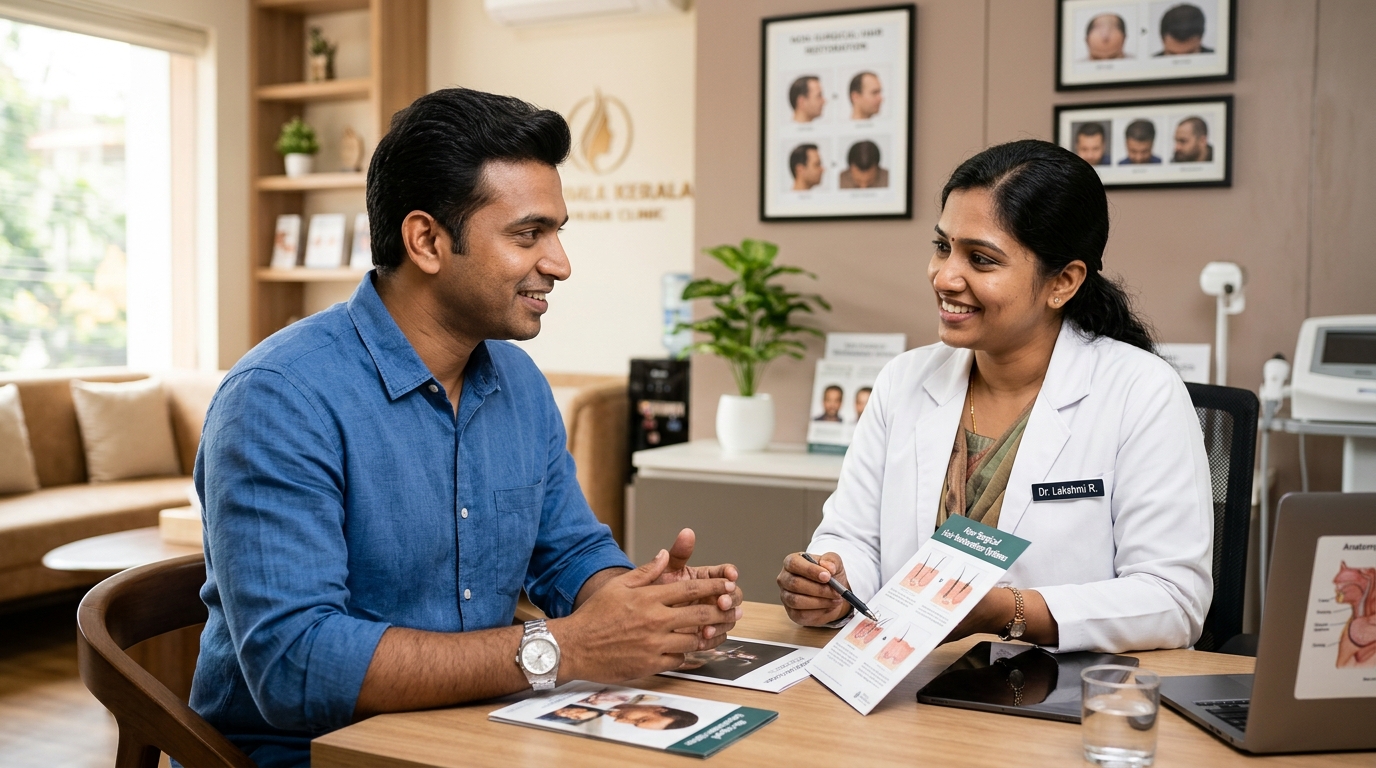
Hair Patch vs Hair Transplant: Non-Surgical Fixing in Kerala
A transparent comparison of surgical risks, recovery time, and guaranteed density between hair patches and surgical transplants for hair loss in Thiruvananthapuram.
 Maintenance TipsRead Article→
Hair Patch Care in Humid Climate: Kerala Scalp & Maintenance Guide
Practical tips to protect your hair patch adhesive and base from coastal moisture, sweat, and sea salt in Trivandrum and coastal Kerala.
Ready for Your Natural Hair Transformation?
Book a free, 100% confidential scalp analysis at our Thiruvananthapuram or Bangalore studio. Our certified specialists will assess your scalp, match your hair texture, and recommend the ideal custom hair system.